

"A family based in north London seeks an exceptional and qualified instructor to guide their youngest child on his early path to becoming an English gentleman."
Looking at this advertisement, you might easily miss the wording "first-steps" as mere an expression.
But, it may be the most significant part of this unique job advert, as it aims to recruit a mentor for a infant.
Hundreds of applications have since been sent in since the anonymous family posted their search for the £180k-a-year tutor, who must be "someone very special".
During the past few weeks, the advert has received interest across the press, with numerous wondering why?
Innovative Idea
A tutoring expert, chief executive of Tutors International, which is assisting the family in their search, said that notwithstanding initial doubt, he considered the plan "far sighted", and "progressive".
When he spoke with the family, he noted they appreciated the unconventional aspect of their request, and how young their son is.
However, they clarified that they "didn't want to wait any longer" to hire a tutor, as they had postponed until their older child was five, and by that stage "cultural conditioning had already set in".
What precisely did the family indicate by "cultural leaning"?
It's "comprehensive", Adam answered. "The manner you eat, the way you speak".
He stated the firstborn had picked up "extremely delicate, non-verbal cues" from the family, and had taken on their cultural ways. The family told Adam they wished to avoid the same situation to repeat itself with their younger child.
The intention: To bring in a UK tutor, who must speak with RP, to guide the baby right from the beginning.
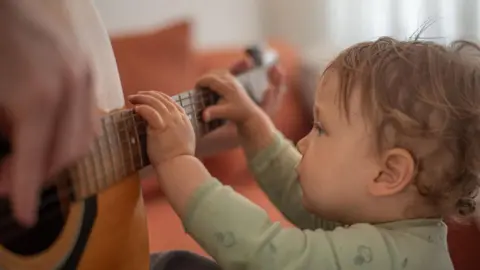
Osmotic Learning
"A lot of the development at the beginning here is rather absorbed naturally," stated Adam.
It's through this natural absorption that the family are hoping the child will acquire the British traits they wish to impart.
The consultant explained the tutor had to be someone who attended "the right kinds of schools – the same kinds of schools as the family aspire to send their son to".
"The educator simply needs to be the suitable individual, they'll be doing things they aren't even aware they're doing, simply by nature," he added.
Money No Object
The family informed Adam the selected educator should preferably also have knowledge of or enthusiasm in horse riding, skiing, creative fields and music so as to influence the child in a diverse set of hobbies.
More than that though, he said the family wanted the tutor to enrol the child on a variety of courses so the child would be "horseback riding and starting an musical instrument by the time they are around three years old".
In the family's minds, helping their son develop into a "English gentleman" will result in achievement and provide access.
"Considering the advantages and disadvantages of that, because it's certainly a class statement," he comments.
But, notwithstanding all this tutelage in "Britishness", would the child pick up so-called cultural bias from the globally influenced family he is raised by anyway?
"Yes", answered the CEO. "The family understand this may not work, but they've merely embraced the attitude of, 'why not attempt it and let's go as early as we can', because the expense of it is not relevant," he stated.
Impractical
Several in the education sector who share similar reservations.
An education leader, chief executive of a tutoring service, who supplies private tutors, commented that "the development of becoming bicultural, or in fact, becoming oneself, is something that must be lived into, not engineered."
Peter wrote that he had relocated from China to the United Kingdom at the time of 7 years old, and had been educated knowing and practicing both cultures. He continued to learn at Cambridge University.
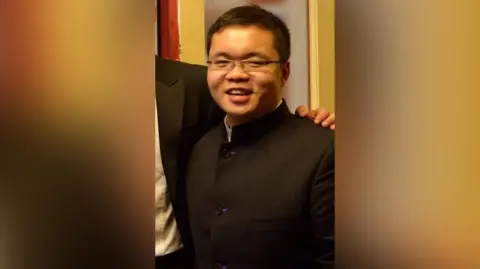
"The notion that one individual can function as a embodiment of UK identity, someone who can somehow transfer the characteristics of a British gentleman upon a one-year-old child, seems to me idealistic and unfeasible," he commented.
"In my experience, having a quintessentially UK tutor from babyhood will not automatically create the outcome they want.
"I wasn't provided with such a tutor, and however I have been fortunate enough to experience numerous of the experiences they desire for their son."
He continued: "The truth is, self-identity can not be dictated from the external environment; it must be embraced, and it must originate internally."
Acquiring Englishness
Certainly, English culture is something the expert believes can be educated – and sold.
"In my view the reality that the world views us in this regard is something that we should be cherishing|valuing|appreciating


